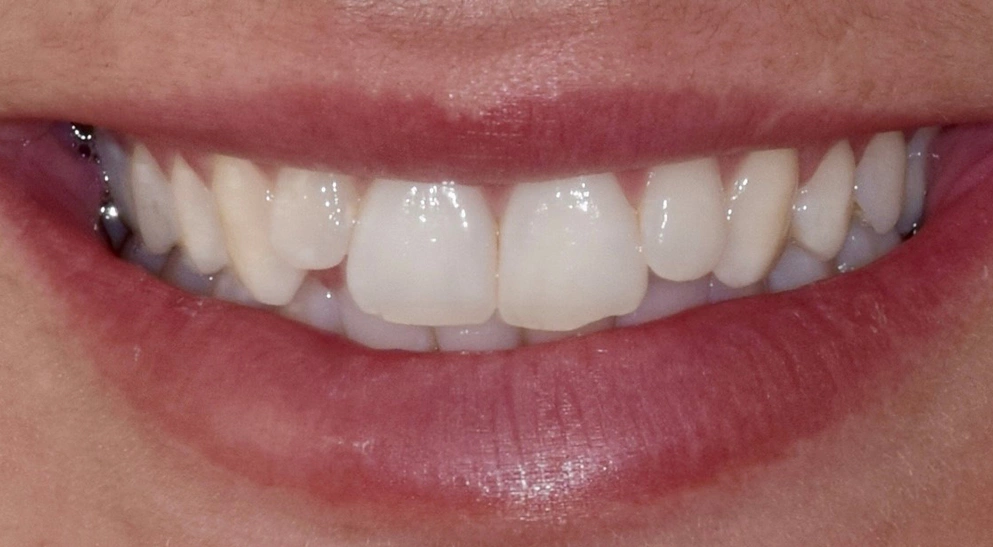
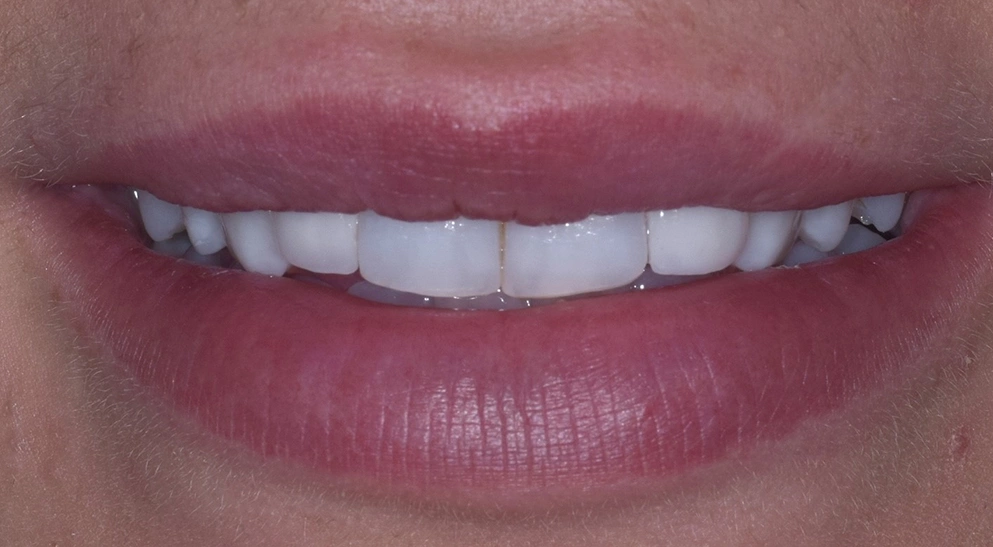
Minimally Invasive
In many cases, especially with composite veneers, no or very minimal preparations to the tooth are required prior to fitting. With no needles or drilling involved, composite veneer treatment is shorter and more comfortable.

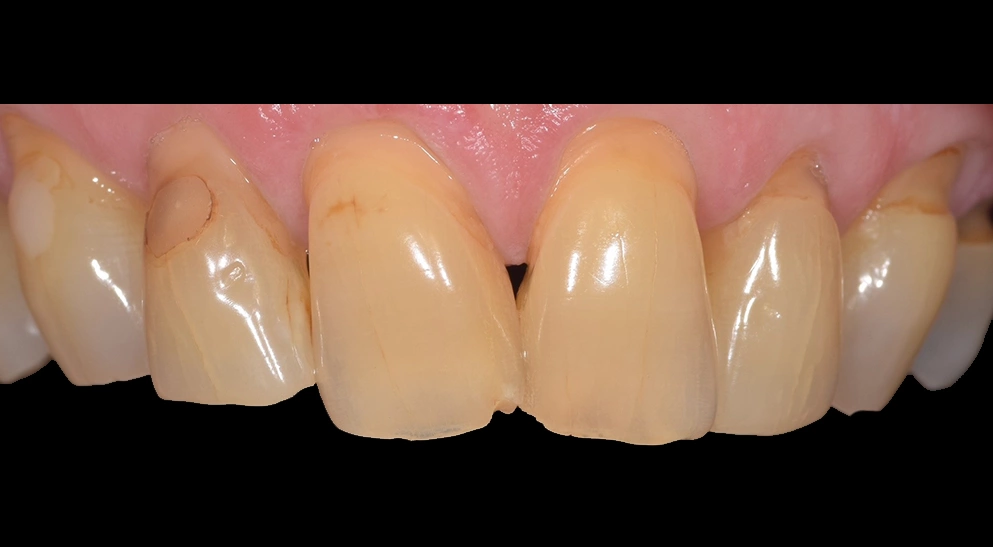
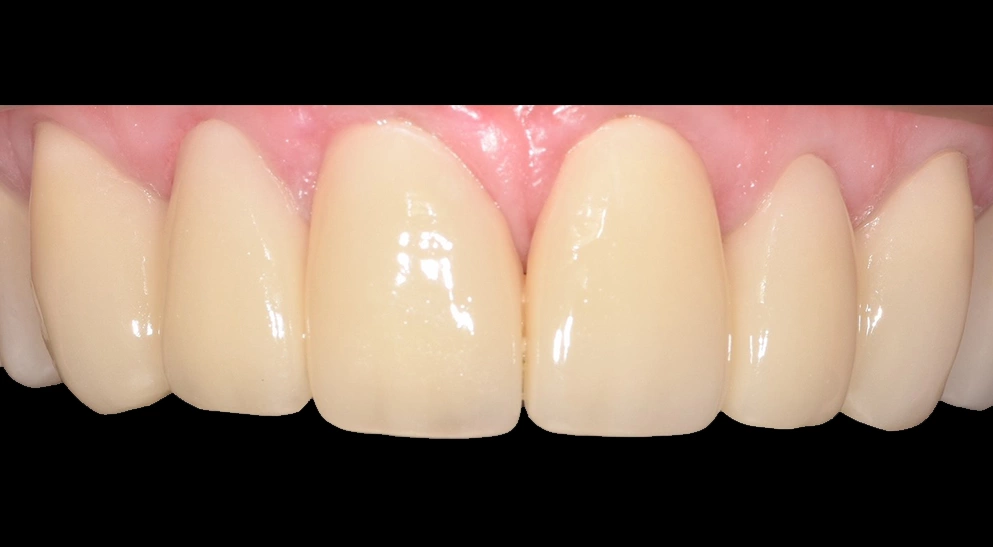
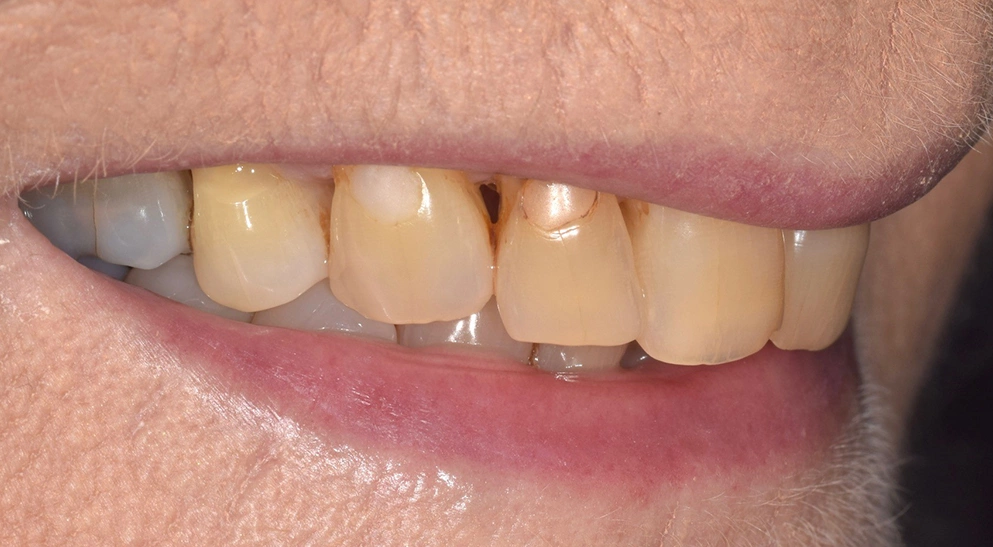
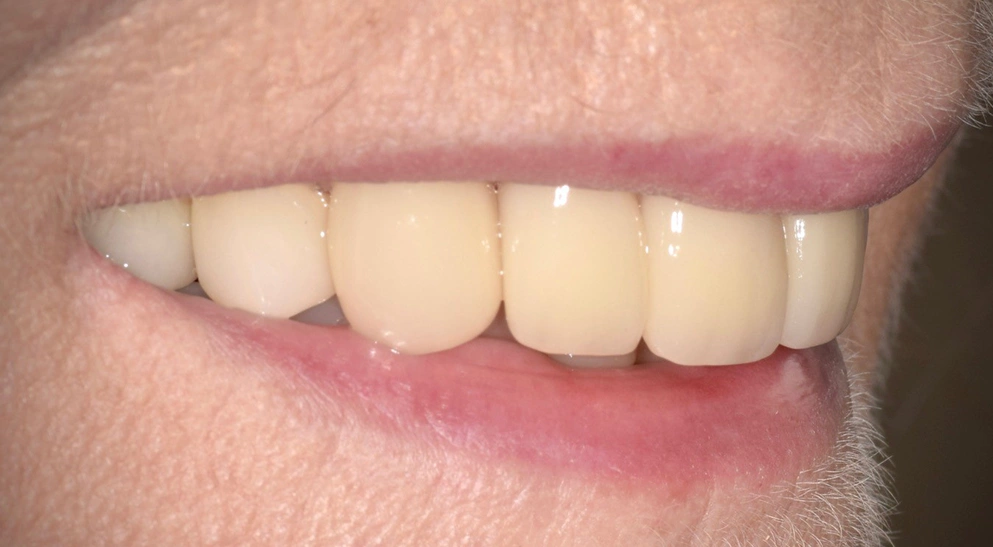
A flawless transformation
Strong, durable and natural-looking, veneers are a highly effective way to improve the look of your smile in a short, minimally invasive treatment.
A £25 deposit is fully refundable and ensures your appointment with us. If you decide to go ahead we can put this towards your treatment
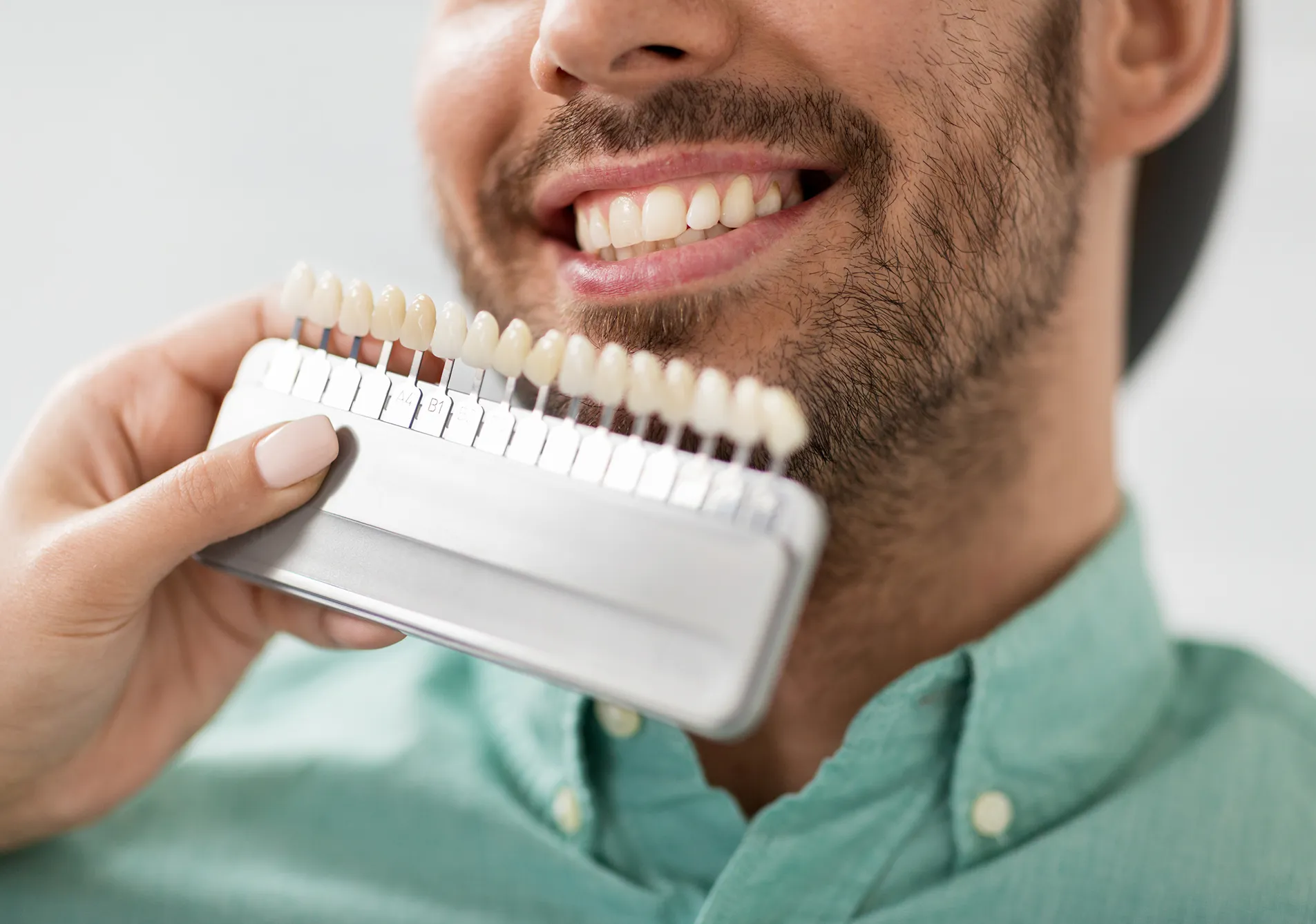


Having made a decision to invest in porcelain veneers, my research highlighted Aspire Smiles.The treatment and result is excellent.Dan is a superb dentist but he is also very kind and caring. He is a perfectionist, listens to patients and always acts in their best interest. I highly recommend Aspire Smiles.
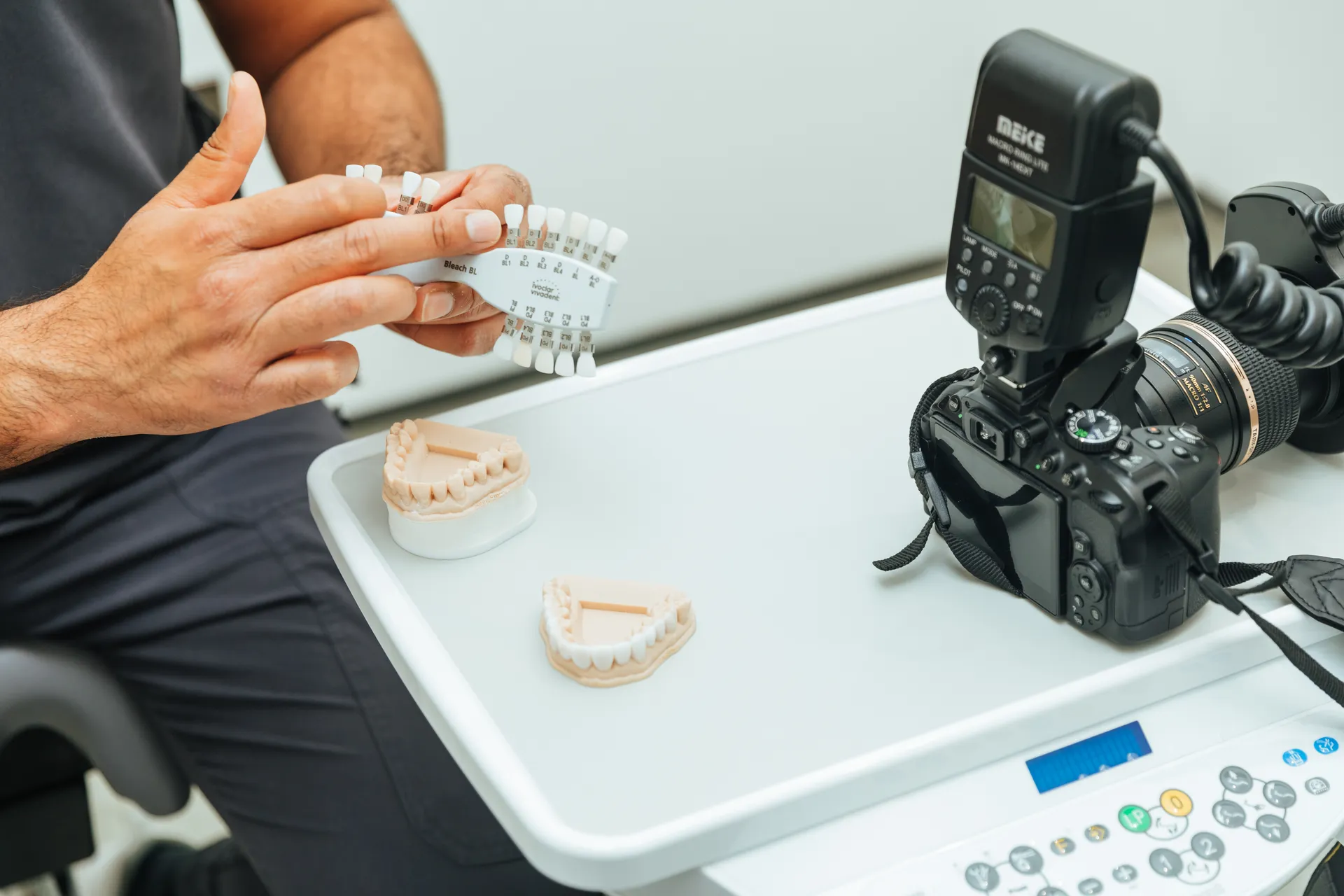
We are pleased to offer two types of veneers at Aspire Smiles - composite and porcelain. Both use digital dental technology in every step of the process, creating a highly aesthetic and accurate result.
Composite veneers require no prior preparation to your teeth, and have a very short treatment time. They even offer same day results! Composite can be very easily repaired and is polished to look just like natural teeth, enhancing your smile. Composite veneers last around 5-7 years before needing to be replaced.
Porcelain veneers are strong and incredibly aesthetically pleasing, able to easily pass for natural teeth. They are more of a permanent solution than composite, lasting up to 15 years before replacements are required. Porcelain veneers are durable and can withstand more daily wear and tear, including biting and chewing.


In many cases, especially with composite veneers, no or very minimal preparations to the tooth are required prior to fitting. With no needles or drilling involved, composite veneer treatment is shorter and more comfortable.
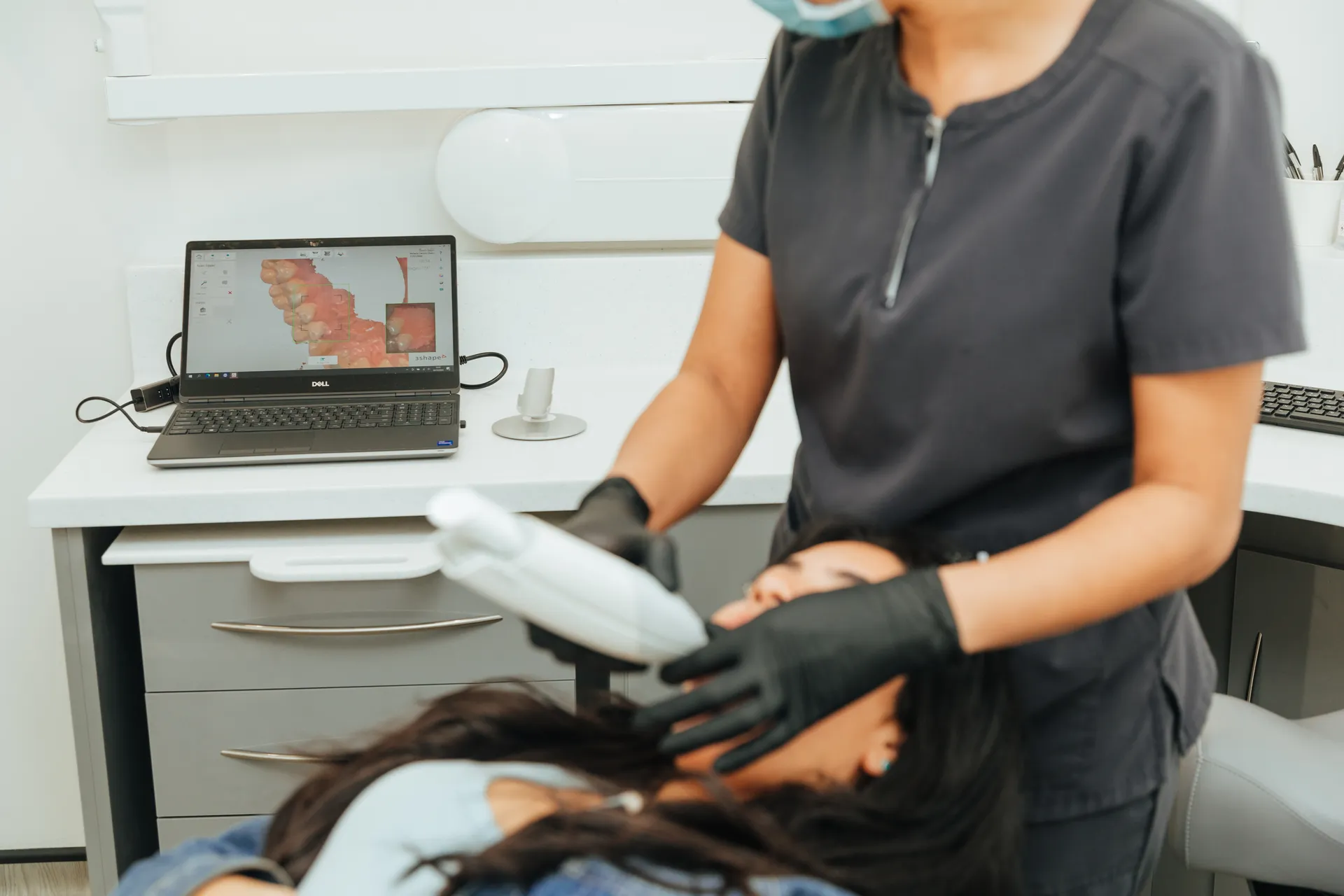
Our innovative digital technology allows you to be involved with the design of your smile at every stage. We can even show you a preview of how your teeth will look after treatment, ensuring precise results.
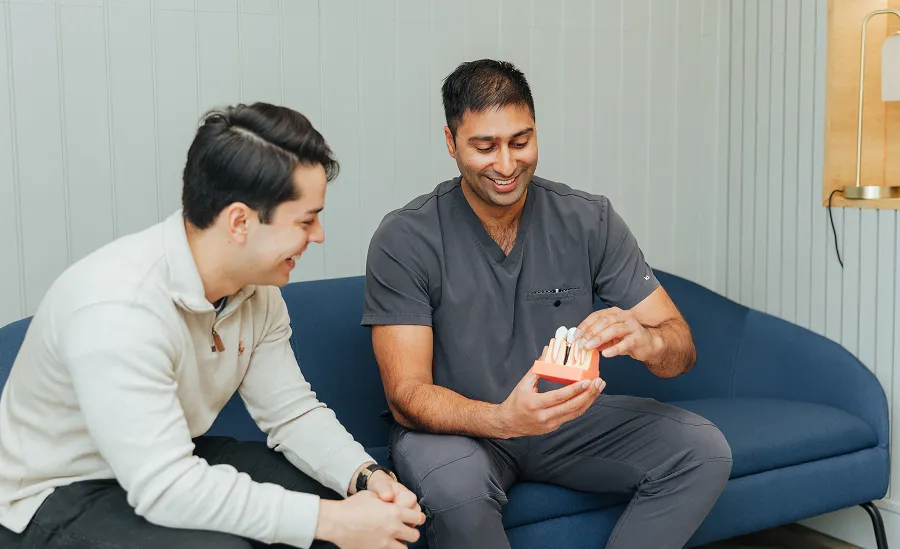
Veneers are thinner and stronger than ever before, thanks to the modern materials used in their creation. Porcelain veneers are particularly durable and can last for many years.
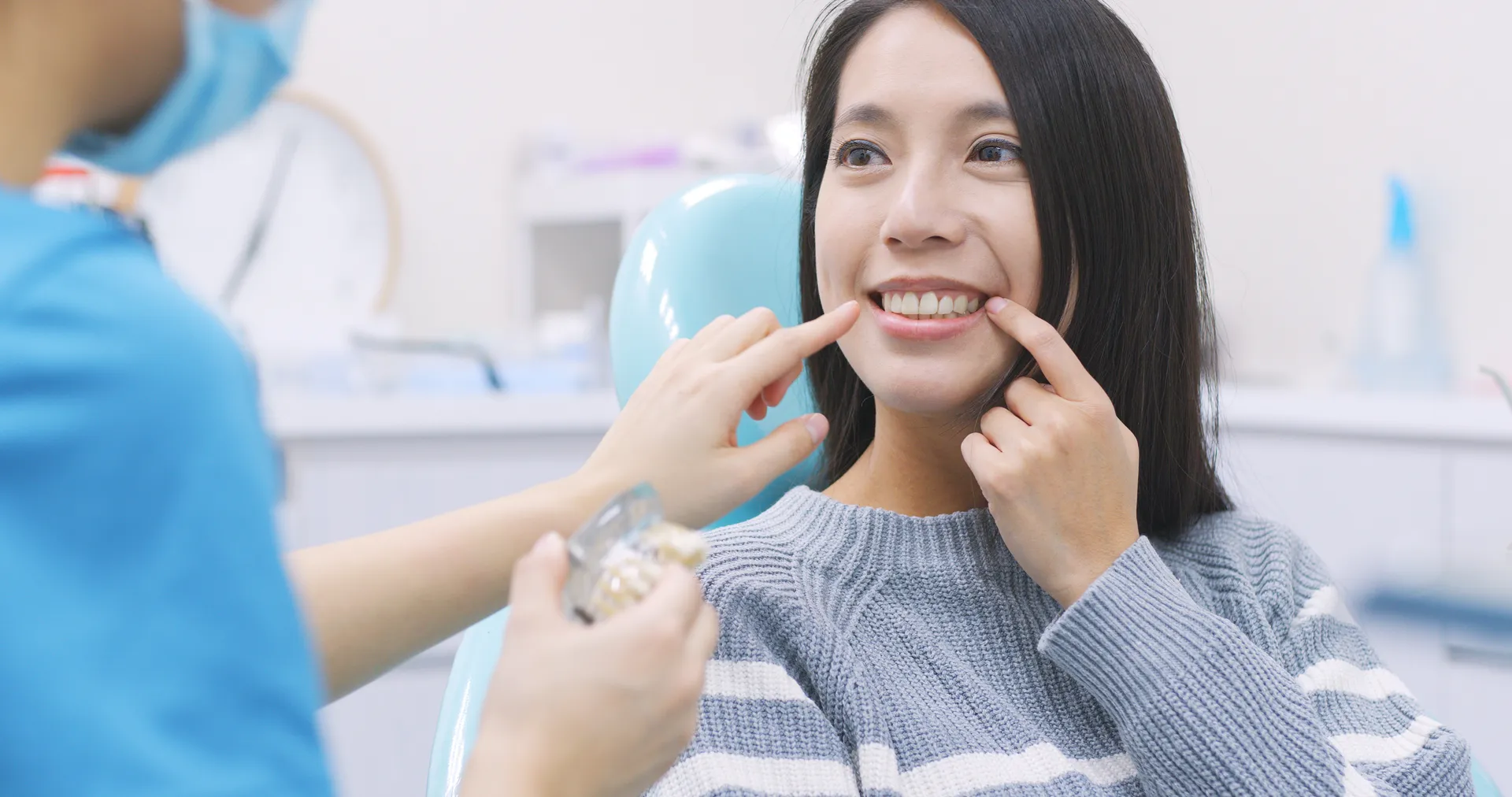
Both composite and porcelain veneers are extremely aesthetic, able to enhance and fully transform your smile. The accurate and precise treatment process ensures the overall result is exactly as you envisioned.
Your veneers treatment will vary slightly depending on whether you have chosen composite or porcelain. Both are highly accurate and give beautiful, transformative results.
At your initial consultation, we ensure you are a suitable candidate for veneers and carefully examine your teeth and gums. We discuss your treatment plan in detail, take high quality digital scans and images and can even show you a preview of your expected results.
When you are happy with the planned new look, we move onto the treatment process.
Porcelain veneers: We prepare your teeth by removing a layer of enamel if needed and fit temporary veneers to protect the teeth while the permanent ones are being crafted. Once ready, we make sure the look is exactly as you envisioned before fixing the veneers to your teeth using strong dental adhesive.
Composite veneers: We first apply adhesive glue to your teeth, to help the composite stick into place. We then place the composite in thin layers, building up the precise shape desired for a truly aesthetic look. We then polish the veneers to give them a natural look.
It’s time to start showing off your new smile! Your veneers are resilient, but you do still need to treat them with care. Try not to bite your fingernails, use your teeth to open anything or eat very hard foods, as this could damage your veneers. It is also important to keep up with your brushing and flossing routine at home, and visit your dentist for regular check ups.
Explore some of the smile transformations achieved by our experienced team using modern digital dentistry and personalised treatment planning.
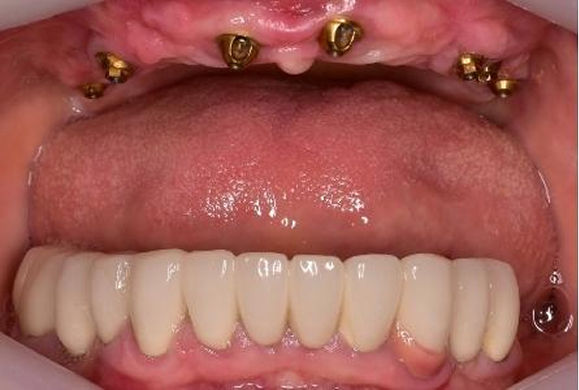
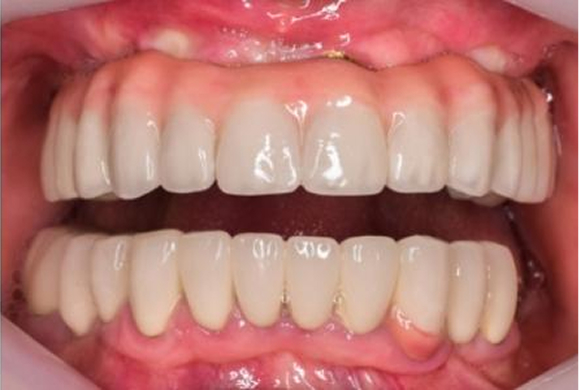
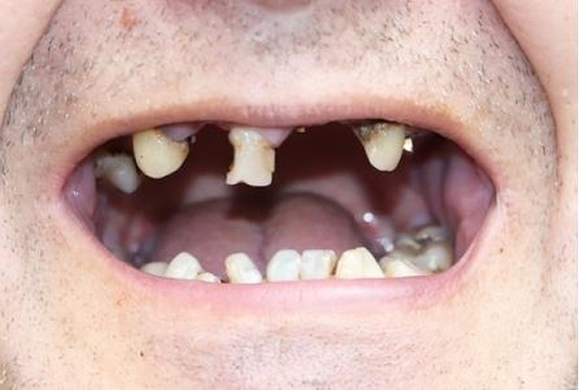
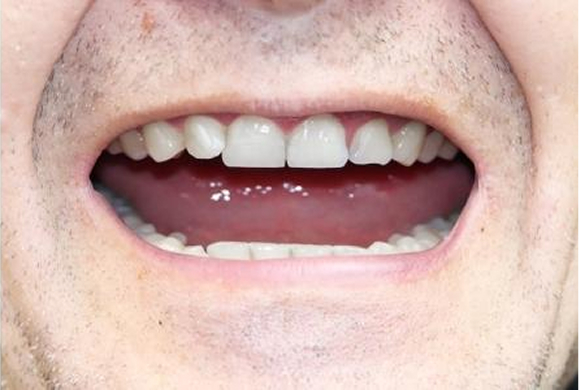
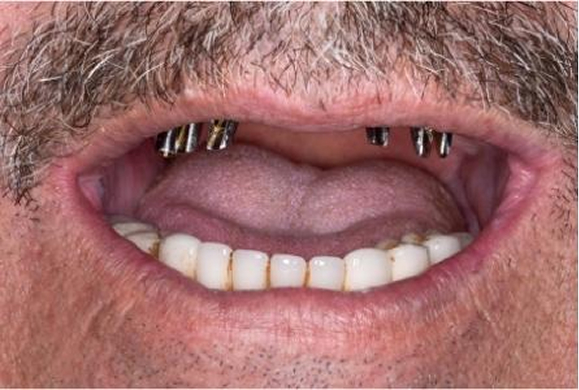
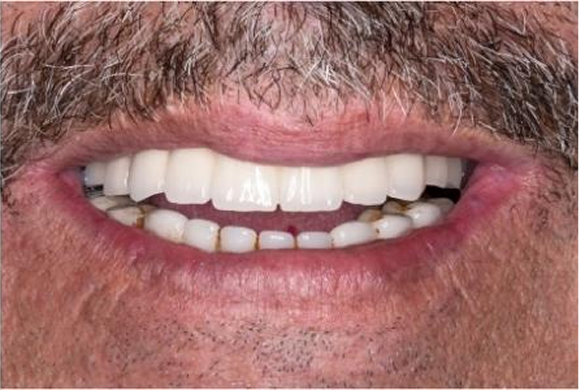
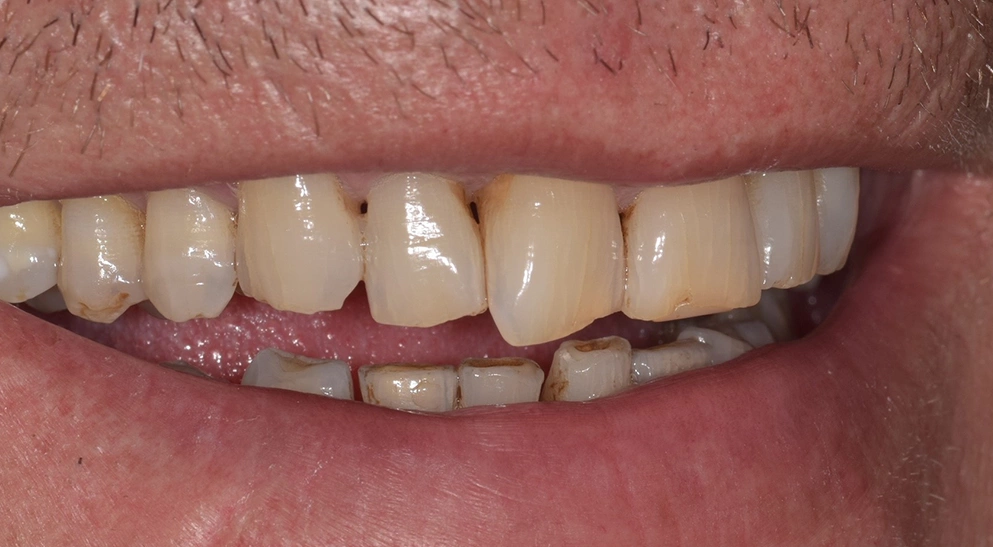
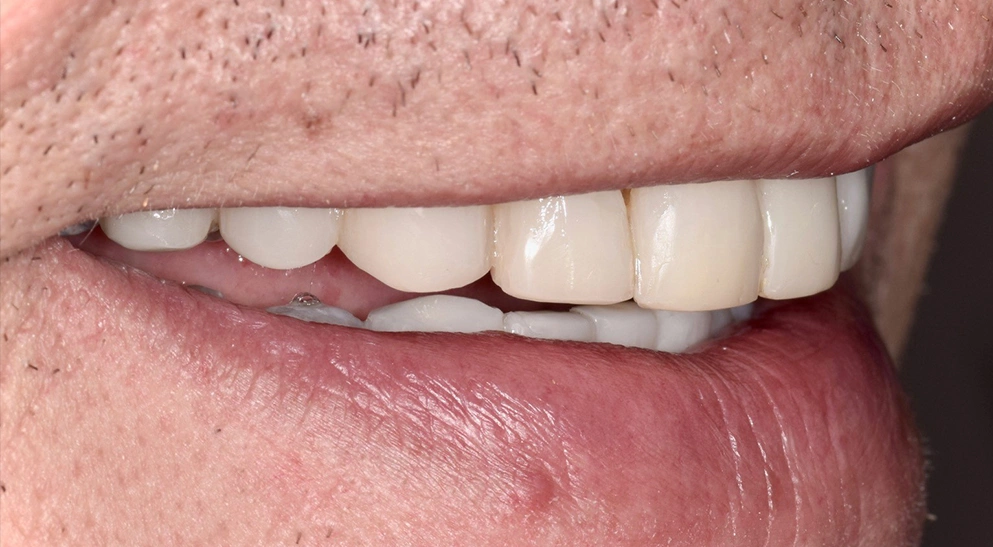
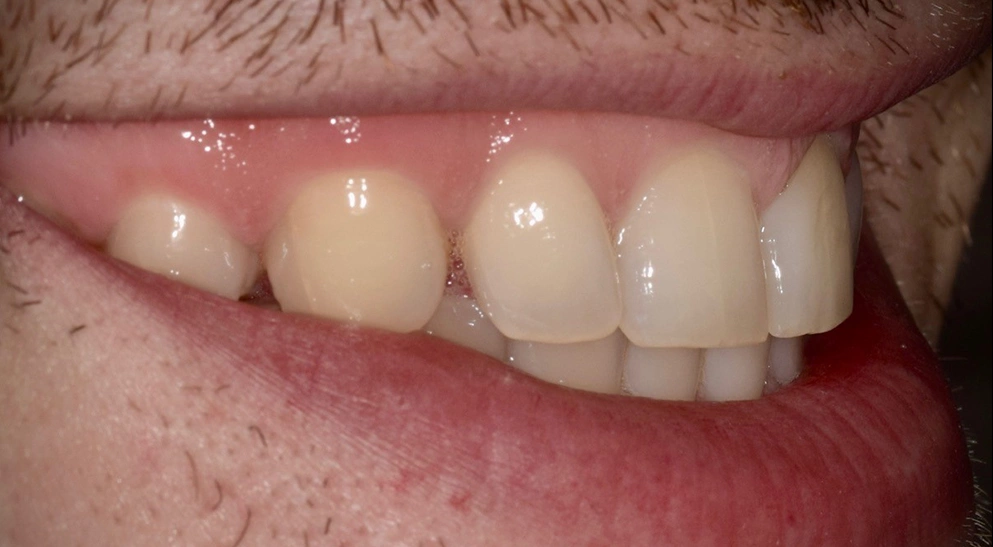
Dental veneers are thin shells of porcelain or composite resin that are custom-made to fit over the front surface of teeth. They are primarily used for cosmetic purposes, enhancing the appearance of a person's teeth by improving their colour, shape, size, or length. Veneers can correct various dental issues, such as discoloured teeth that cannot be whitened, chipped or worn teeth, uneven spaces or a large gap between the upper front teeth, and minor misalignment issues.
The most commonly used materials for dental veneers are porcelain and composite resin. Porcelain veneers are popular due to their strength and ability to mimic the light-reflecting properties of natural teeth, providing a more natural look. They are also highly resistant to stains. Composite resin veneers are less expensive and require less tooth enamel removal than porcelain. They can be fabricated in the dentist's office, often in a single visit, and are easier to repair if damaged.
Porcelain veneers typically last 10 to 15 years, while composite resin veneers have a shorter lifespan of about 5 to 7 years. The longevity of veneers depends largely on how well they are cared for. Maintaining good oral hygiene practices, avoiding habits like biting on hard objects or using teeth as tools, and wearing a protective mouthguard if you grind your teeth can help extend the life of your veneers.
Getting dental veneers usually requires two to three visits to the dentist. The first visit involves a consultation to discuss the goals of treatment and the best type of veneers for your situation. During the next visit, the teeth are prepared by removing a small amount of enamel and taking impressions. These impressions are then sent to a lab where the veneers are custom-made. The final visit involves bonding the veneers to the teeth after making necessary adjustments to ensure a proper fit and colour match.
The process of getting veneers is generally not painful. Some patients might experience slight sensitivity after trimming the enamel during the preparation phase. Local anaesthesia can minimise discomfort during this part of the procedure. After the veneers are placed, there may be some mild soreness or sensitivity to temperature, which typically subsides within a few days.
Like dental crowns, veneers cannot be whitened with traditional teeth whitening products because they are made from materials that do not respond to bleaching. If you are considering whitening your teeth, it is advisable to do so before getting veneers so that your dentist can match the colour of the veneers to your newly whitened teeth.
Caring for dental veneers involves the same general oral hygiene practices as caring for natural teeth. This includes brushing at least twice a day, flossing daily, and using an antibacterial mouthwash. It is important to use a non-abrasive fluoride toothpaste to avoid scratching the veneers. Regular dental checkups and cleanings are essential to maintain the health of your veneers and the underlying teeth.
Some risks associated with dental veneers include the potential for increased tooth sensitivity due to enamel removal, the possibility of veneers chipping or breaking, and the irreversible nature of the procedure because of the enamel removal. There is also a chance that veneers may not perfectly match the colour of your other teeth, particularly if your natural teeth change colour over time.
Veneers are generally considered a permanent treatment because they involve the removal of tooth enamel. While they can be removed or replaced if they are damaged or if you want to update your smile, the process can be complex. New veneers must be crafted to replace the old ones, and additional tooth preparation may be necessary.
Determining if veneers are the right choice involves consulting your dentist, who can evaluate your dental health, discuss your aesthetic goals, and recommend the best treatment options. Veneers are suitable for individuals looking to improve the appearance of their smile and who have healthy teeth and gums. However, they may not be recommended for individuals with severe tooth decay, gum disease, or weakened teeth.
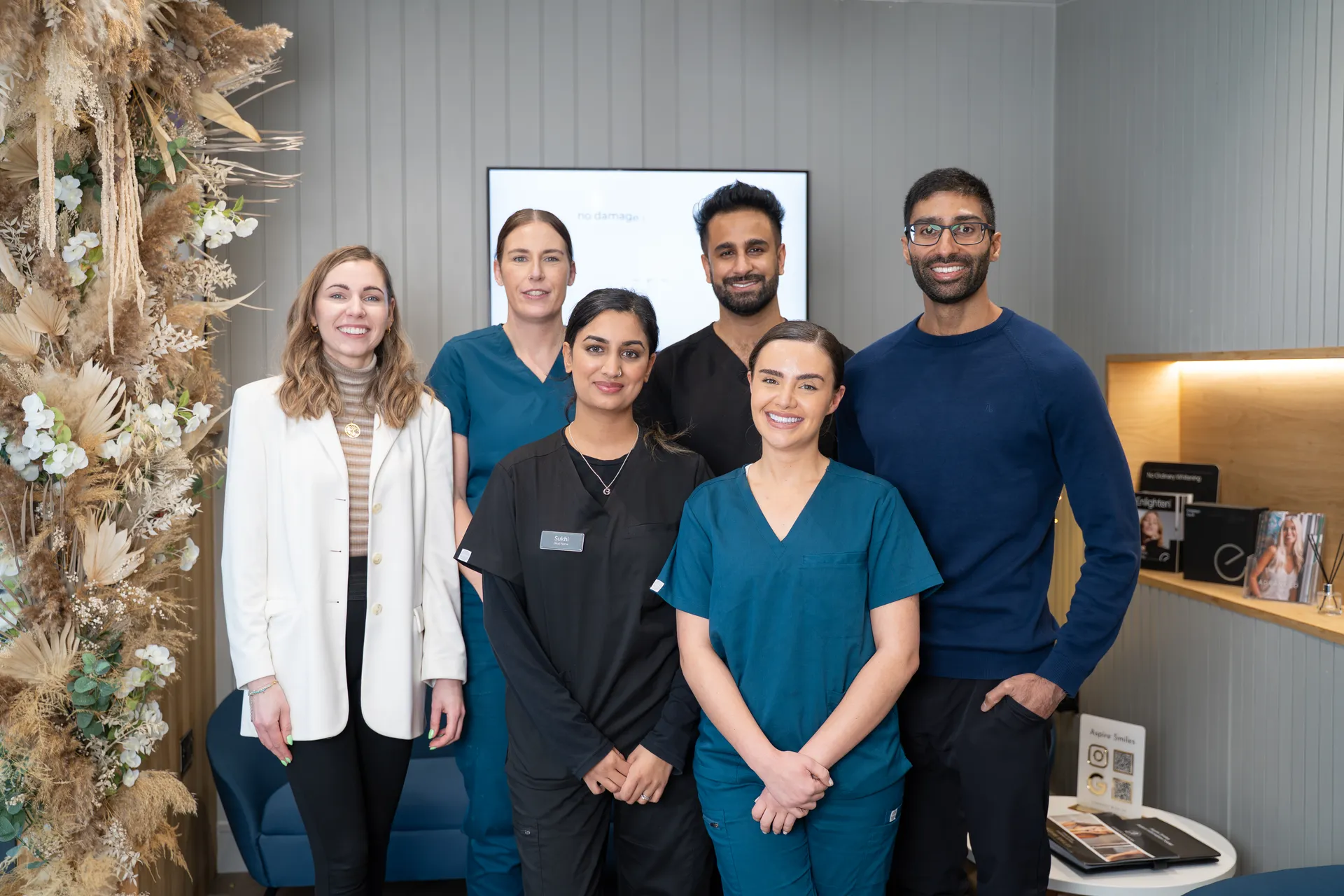
Book your consultation today and discover how Aspire Smiles can help you achieve a healthier, more confident smile.