Mild tenderness for a few days is normal
Standard over-the-counter pain relief like paracetamol or ibuprofen is usually all that's needed

A modern root canal isn't the ordeal it's often made out to be. With today's techniques, careful planning and a calm, unhurried approach, most patients tell us afterwards they wish they'd come in sooner.
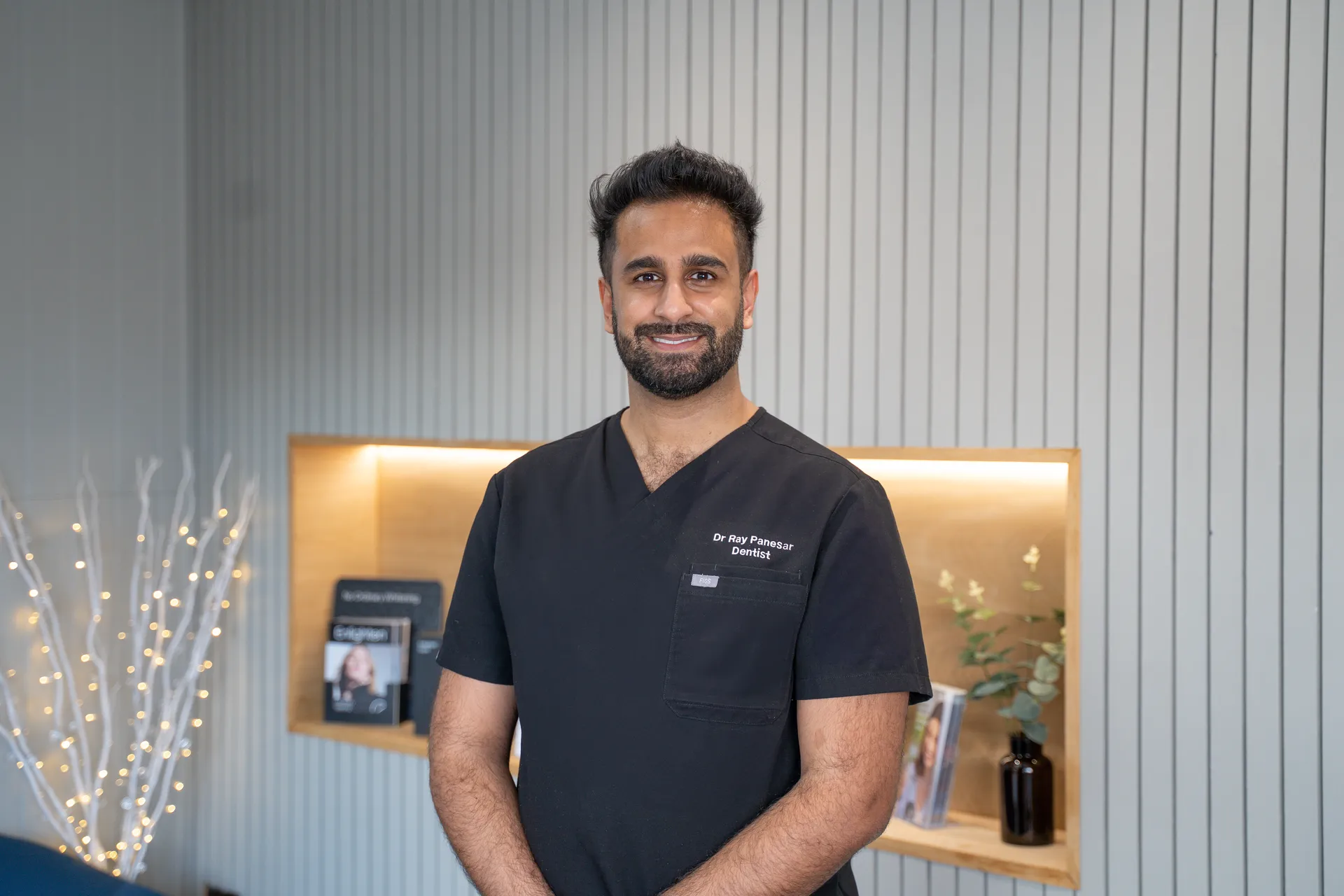


The team at Aspire are brilliant, attentive and swiftly support whatever treatment you need. I’d recommend to anyone and was made to feel very comfortable from the moment I came in.

Root canal treatment has spent decades being unfairly cast as the bogeyman of dentistry - thanks largely to films, jokes and stories from a different era of practice. The reality today is genuinely different.
Modern root canal treatment is comparable to having a filling. The area is fully numbed, the technology has come a long way, and the experience itself is far more straightforward than the build-up most patients give it.
In fact, the goal of a root canal is to save you from pain, not cause it. By the time you need one, you're usually already uncomfortable - and the treatment is what brings the relief.
If you've been putting off coming in because of how root canals are talked about, please don't let that be the reason your tooth gets worse. We'd much rather see you sooner and save the tooth than later when fewer options remain.

Root canal treatment becomes necessary when the soft tissue inside your tooth - called the pulp - becomes infected, inflamed or damaged. This can happen for a number of reasons:
Common symptoms that suggest you might need a root canal include:
If any of this sounds familiar, please book an appointment. The earlier we can take a look, the more options we'll have to save the tooth.

Inside every tooth is a small chamber containing soft tissue made up of nerves, blood vessels and connective tissue - this is the pulp. When the pulp becomes infected or damaged, it can't heal on its own, and the infection will continue to spread if left untreated.
Root canal treatment is the process of carefully removing the damaged pulp, cleaning and disinfecting the inside of the tooth, and sealing it to prevent reinfection. The outer structure of your tooth - the part you actually see and use - stays exactly where it is.
In other words, it's the treatment that lets us save a tooth that would otherwise need to be extracted. And given that nothing replaces a natural tooth quite as well as the natural tooth itself, that's almost always the better outcome.
Root canal treatment is usually completed across one or two appointments, depending on the complexity of the tooth. Here's what's involved:
Your dentist will examine the tooth, take an x-ray, and confirm whether root canal treatment is the right approach. We'll talk you through exactly what's involved before anything begins
The tooth and surrounding gum are fully numbed with local anaesthetic, so you won't feel any pain during the procedure - just gentle pressure
A small opening is made in the top of the tooth to reach the pulp chamber
The damaged pulp is carefully removed, and the inside of the tooth is thoroughly cleaned and shaped
The cleaned canals are filled with a biocompatible material to seal them against future infection
The opening is sealed with a temporary or permanent filling. In most cases, we'll recommend a crown at a later appointment to protect the tooth long-term
You'll be in the chair for around 60 to 90 minutes per visit, and you'll be checked in with regularly throughout. Many patients are surprised by how straightforward the whole thing turns out to be.

We know root canal treatment is one of the procedures patients feel most nervous about - even when the reality is much gentler than the reputation suggests. If you'd feel more comfortable with extra support, we offer <u>IV sedation</u> on dedicated days each month.
You'll remain conscious and able to respond, but you'll feel deeply relaxed throughout - and most patients remember very little of the procedure afterwards. It's a particularly good option if:
We'll talk through whether sedation is the right fit for you during your initial assessment, and there's never any pressure to choose it.
Recovery from a root canal is usually very straightforward. Most patients are back to normal within a day or two, and the discomfort is far less than the pain of the original problem.
A few things to keep in mind:
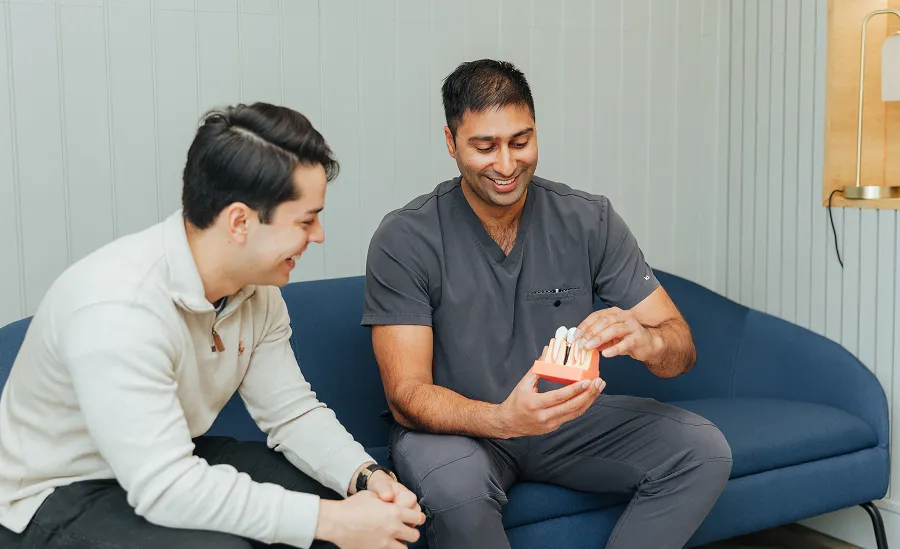

Standard over-the-counter pain relief like paracetamol or ibuprofen is usually all that's needed
Until any temporary filling is replaced and a crown is fitted, the tooth is more vulnerable
Brush and floss as normal, taking extra care around the treated tooth
Persistent or worsening pain, significant swelling or anything that doesn't feel right should be reported to us straight away
In most cases, we'll fit a permanent crown a few weeks after the root canal to protect the tooth long-term
We'll always check in with you the day after your appointment to see how you're getting on, and you can call us at any point on 01926 291 515 if anything feels off.
-1920.webp)
Whenever possible, we'll always recommend saving a natural tooth rather than removing it. There are a few reasons for this:
That said, root canal treatment isn't always the right answer. Sometimes a tooth is too damaged to save, in which case we'll talk you through your options - including extraction followed by replacement with an implant, bridge or denture.
There are plenty of dental practices in the area, but here's what genuinely sets us apart - particularly for treatments where comfort and confidence matter.
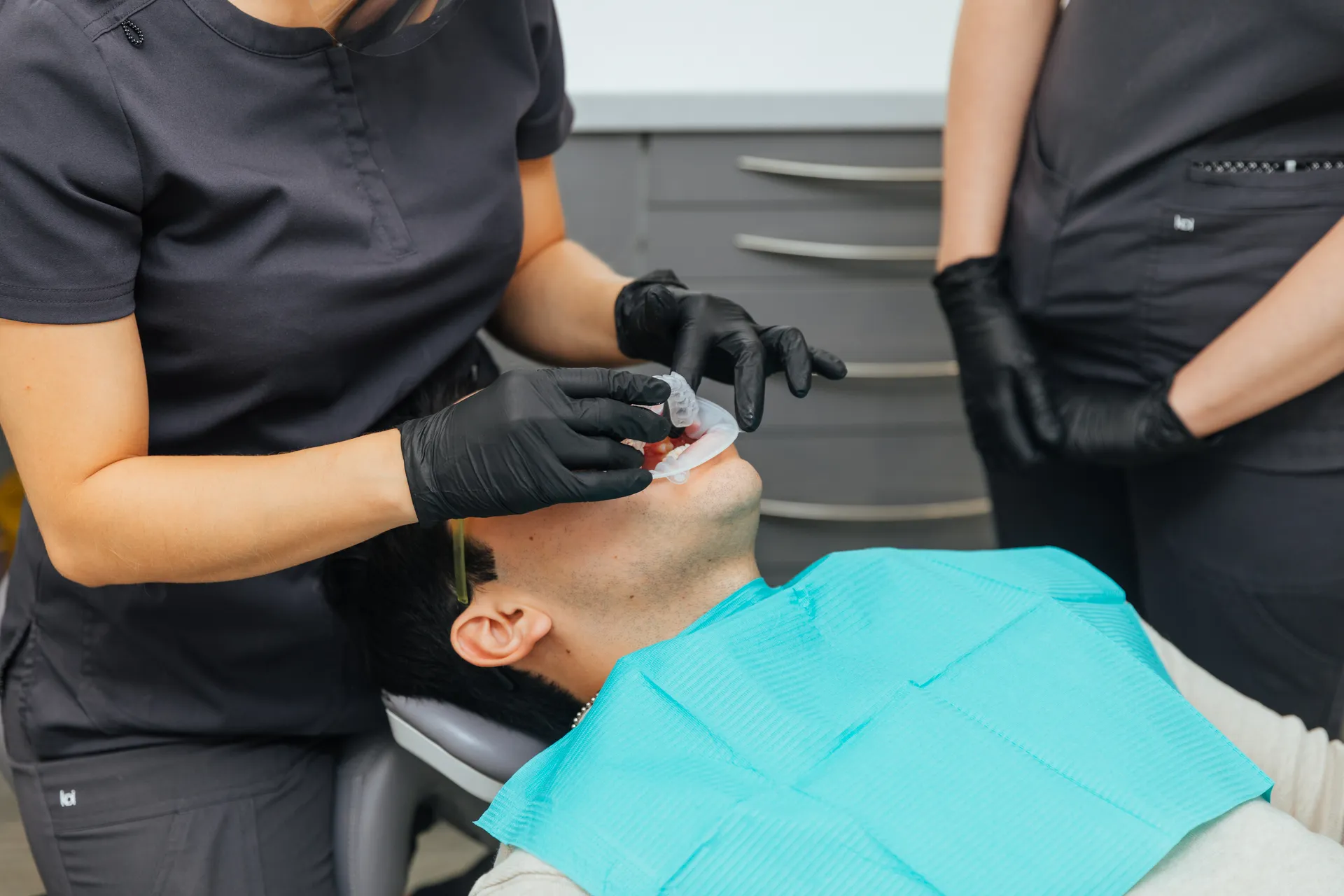
Designed to ease anxiety from the moment you walk in
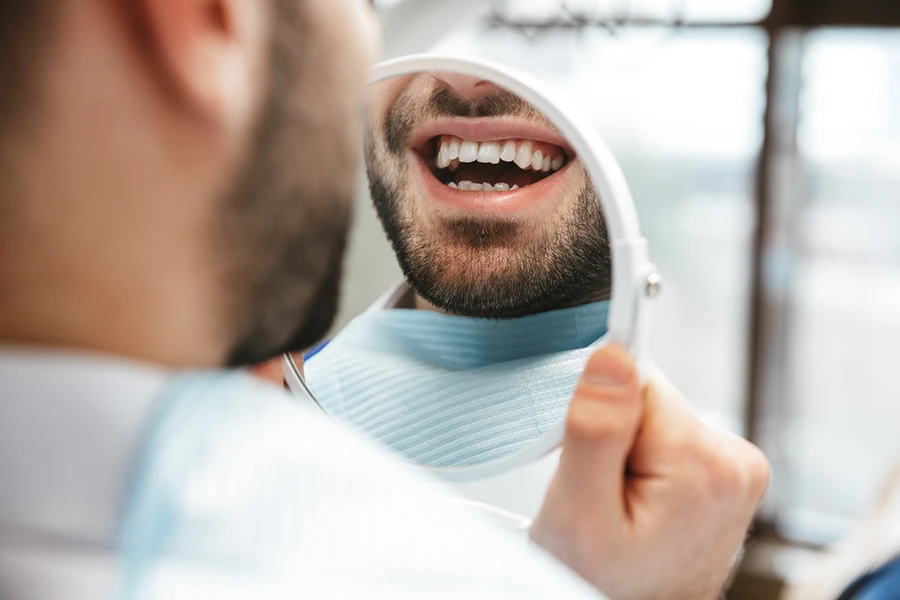
We never rush, never lecture and never make you feel like just another appointment
Our team is highly experienced in restorative dentistry, including complex root canal treatment

Including iTero Lumina and TRIOS 3 scanners for accurate digital planning
On dedicated days each month for patients who'd benefit from extra support

Looking after you from your first call to your final follow-up
-1920.webp)
Easy to reach, easy to settle into
Available outside typical opening hours for any post-treatment questions
The honest answer is - much less than you might expect. The area is fully numbed with local anaesthetic before treatment begins, so you won't feel any pain during the procedure itself. Mild tenderness for a few days afterwards is normal and usually responds well to standard over-the-counter pain relief. For most patients, the relief from the original toothache far outweighs any discomfort from the treatment.
Most root canal treatments are completed across one or two appointments of around 60 to 90 minutes each. The exact timing depends on which tooth is being treated and how complex the root structure is. We'll always give you a realistic time estimate during your initial assessment.
In most cases, yes. Root-treated teeth become more brittle over time and benefit from the protection of a crown, which restores strength and protects against fracture. We'll usually fit the crown a few weeks after the root canal, once the tooth has settled.
A well-treated root canal can last a lifetime, especially when followed up with a crown and good ongoing oral hygiene. Regular check-ups and hygiene appointments help us catch any issues early and keep the tooth in great condition for as long as possible.
The main alternative is to remove the tooth - either with a simple extraction or, in more complex cases, a surgical extraction. While extraction can sometimes be the right choice, we'll usually recommend root canal treatment first if the tooth can be saved, as nothing replaces a natural tooth quite like the natural tooth itself.
The infection will continue to spread, leading to increasing pain, possible swelling, and eventually an abscess. Left long enough, the tooth will likely need to be extracted, and the infection can sometimes spread to surrounding tissues. The earlier we can treat it, the more options we'll have to save the tooth.
Yes, if you've had treatment under local anaesthetic only. If you've chosen to have IV sedation, you'll need a responsible adult to take you home and stay with you for the rest of the day, as the sedative remains in your system for several hours.
Costs vary depending on which tooth is being treated and how complex the root structure is. Front teeth are usually more straightforward than back teeth, which have more roots and canals. We'll always provide a clear, transparent quote during your initial assessment, before any treatment begins.
-1920.webp)
Whether you've been putting off something you know needs sorting, you're in pain right now, or you simply want a second opinion before any decisions are made, please come and see us. The first step is always a proper conversation - and we'll take it from there.