For the first 24 hours
Avoid rinsing, spitting or anything hot. Stick to soft, lukewarm foods and rest as much as you can

When a tooth needs to come out, the experience matters as much as the outcome. Our calm, careful approach means most patients are surprised by how straightforward and comfortable the whole thing turns out to be.




If your only reference for a tooth extraction is something you've seen on TV or remember from years ago, please put that to one side. Modern extractions are nothing like the dramatic affairs they're often made out to be.
With today's techniques, anaesthesia and digital planning, most extractions are quick, comfortable and far less eventful than patients expect. The vast majority of our Warwick patients tell us afterwards that the build-up in their head was significantly worse than the actual experience.
We get it though. Nobody books a tooth extraction with excitement. That's why we've built our entire approach around making it feel as calm, controlled and unhurried as possible - so you can leave with one less thing to worry about.

We always do everything we can to save a natural tooth - it's almost always the best option. But there are times when removing a tooth is genuinely the kindest thing for your overall oral health. Common reasons include:
If you're not sure whether your tooth needs to come out, please book in for an examination - we'll always talk you through every alternative before recommending extraction.
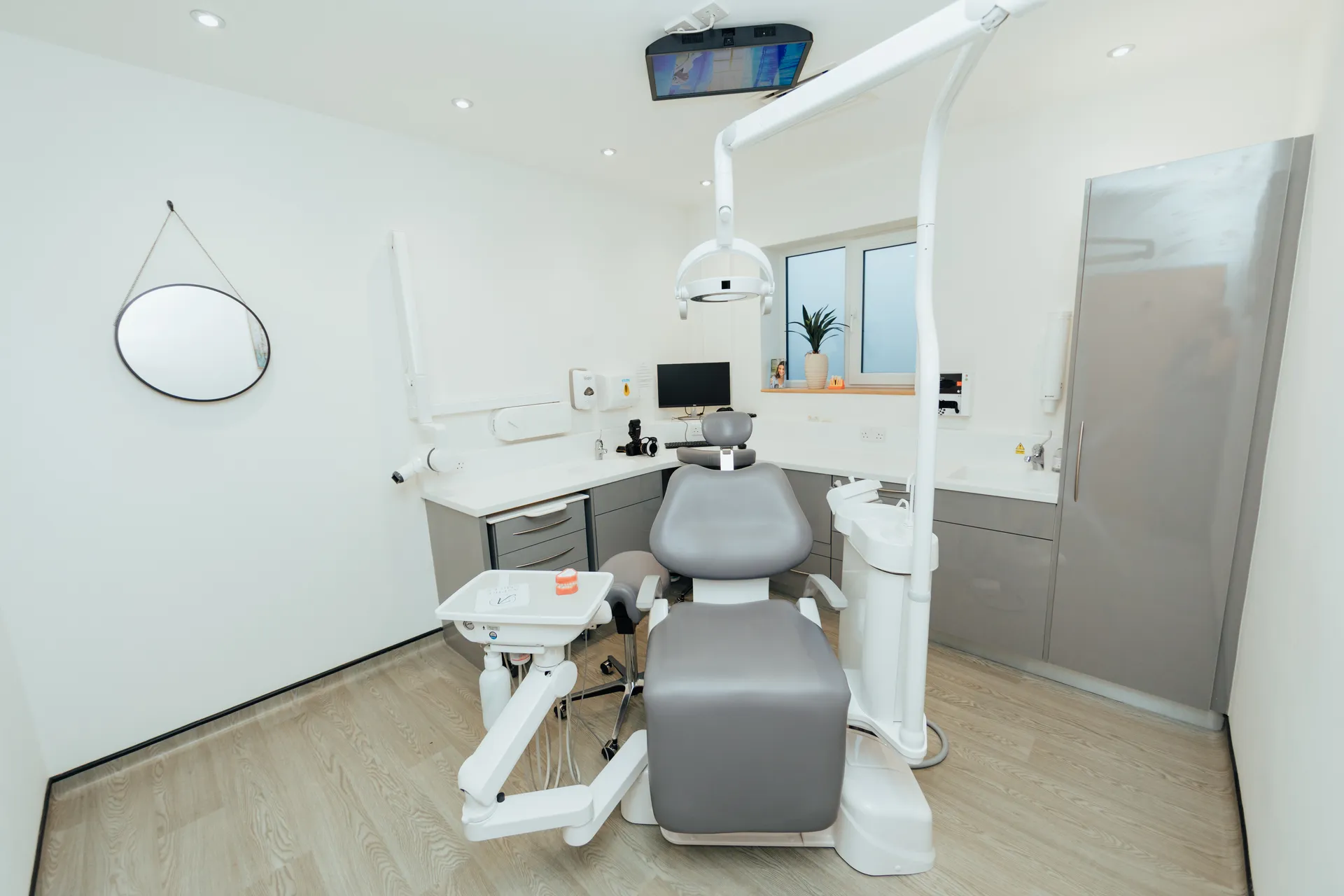
A tooth extraction is exactly what it sounds like - the careful removal of a tooth from its socket in the jaw. There are two main types:
Used for teeth that are visible and accessible. The area is fully numbed with local anaesthetic, and your dentist gently loosens the tooth before lifting it out. You'll feel pressure but no pain.
Used for teeth that are broken below the gum line, impacted (like some wisdom teeth), or particularly stubborn. The procedure involves a small incision in the gum and is still carried out under local anaesthetic - or with IV sedation if you'd prefer to be deeply relaxed throughout.
In both cases, you'll be looked after by a team that takes its time, checks in with you regularly, and never rushes the process. Most extractions are completed in 30 minutes or less.
We've designed every part of the process to feel calm and predictable, so there are no surprises on the day.
Your dentist will examine the tooth, take any necessary x-rays, and confirm whether extraction is truly the best option
We'll talk you through exactly what's going to happen, the costs involved, and any aftercare you'll need
On the day, you'll be welcomed in, settled into our calm reception area, and looked after from start to finish. The area will be fully numbed before anything begins
Most simple extractions take just a few minutes once you're numb. You'll feel pressure but no pain. We'll check in with you throughout and never rush
We'll give you clear written aftercare instructions and check in the following day to see how you're feeling
If you need a replacement tooth (such as a dental implant, bridge or denture), we'll plan this together at the right point in your healing

Tooth extractions are one of the most common reasons patients ask about sedation - and it's completely understandable. Even patients who are usually fine at the dentist sometimes feel uneasy about an extraction.
We offer IV sedation for patients who'd benefit from extra support during their appointment. You'll remain conscious and able to respond, but you'll feel deeply relaxed throughout - and most patients remember very little of the procedure afterwards.
IV sedation is particularly helpful for:
We dedicate certain days each month to sedation appointments, with a quiet recovery space and a calm, controlled environment throughout.
A little bit of care in the first few days makes all the difference to how quickly and comfortably you recover. We'll give you full written aftercare instructions, but here's the gist of it:
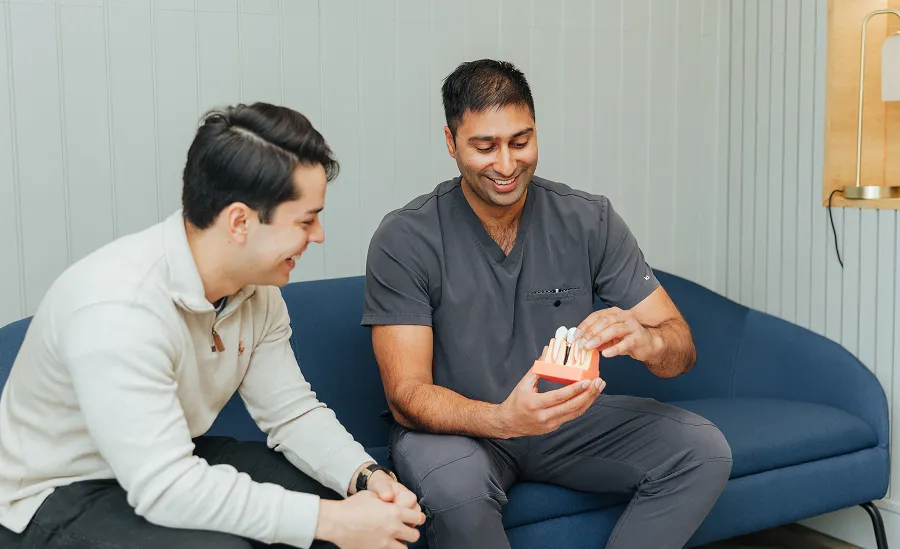

Avoid rinsing, spitting or anything hot. Stick to soft, lukewarm foods and rest as much as you can
Standard over-the-counter pain relief like paracetamol or ibuprofen is usually all that's needed. Take it as soon as the anaesthetic starts to wear off rather than waiting for discomfort to set in
Some light bleeding is normal for a few hours. Bite gently on a clean, damp gauze if needed - we'll provide some to take home
For at least 48 hours, ideally longer. These can disrupt healing and increase the risk of complications
From day two, gently rinse with warm salt water after meals to keep the area free of food debris
Stick to soft foods like soup, mashed potato, scrambled eggs and yoghurt for a few days
Most patients feel back to themselves within 3 to 5 days. We'll always check in the day after your extraction to see how you're getting on, and you can call us at any point if anything feels off.

Depending on which tooth has been removed, leaving a gap can sometimes lead to longer-term issues - your other teeth may shift, your bite can change, and bone in the jaw can begin to recede where the tooth used to be.
That's why we'll always have a conversation with you about whether replacing the tooth is the right next step. Common options include:
There's no rush to decide - in most cases, you'll need to let the area heal for a few weeks or months before any replacement can be fitted. We'll plan the timing carefully with you so everything happens at the right moment.

There are plenty of dental practices in the area, but here's what genuinely sets us apart - particularly for treatments that some patients feel anxious about.
The area is fully numbed with local anaesthetic before anything begins, so you won't feel any pain during the procedure - just some pressure. Afterwards, mild soreness is normal for a couple of days and usually responds well to standard over-the-counter pain relief.
Most simple extractions take just 5 to 10 minutes once you're numb. Surgical extractions, including wisdom teeth, may take 20 to 40 minutes depending on complexity. Either way, you'll be in and out of the chair more quickly than most patients expect.
Most patients feel back to normal within 3 to 5 days. The first 24 hours are the most important for following aftercare instructions carefully. We'll always check in with you the day after your appointment to see how you're getting on.
If you've had a simple extraction under local anaesthetic, yes - you can usually drive home. If you've had IV sedation, you'll need a responsible adult to take you home and stay with you for the rest of the day, as the sedative remains in your system for several hours.
Most extractions heal without any issues, but if something doesn't feel right - persistent pain after a few days, unusual swelling, or anything that worries you - please call us straight away on 01926 291 515. The most common complication is a 'dry socket', which is uncomfortable but easily treated.
Yes, in many cases. We'll discuss this with you during your assessment, and if multiple extractions are appropriate, we may recommend IV sedation to make the experience as comfortable as possible.
Not always - it depends on which tooth it is and where it sits in your mouth. For teeth at the back of the mouth that aren't visible, replacement isn't always necessary. For most other teeth, replacement is usually a good idea to maintain function and prevent your other teeth from shifting. We'll talk you through your options carefully.
Costs vary depending on whether the extraction is simple or surgical, and whether sedation is used. We'll always provide a clear, transparent quote during your initial assessment so you know exactly what to expect before any treatment begins.
-1920.webp)
Whether you're in pain, putting off something you know needs sorting, or simply want a second opinion before any decisions are made, we'd love to help. The first step is always a proper conversation - and we'll take it from there.